School meals programs offer proven benefits in health, nutrition, and education, especially for vulnerable children. Despite widespread political support, budget pressures and inflation threaten their sustainability. This study examines the potential of debt-for-food swaps to secure additional funding for these vital initiatives.
Podcast: Small Islands Big Picture episode 26: The State of SIDS Report 2026
In this podcast episode, I join the hosts and experts from around the world to discuss the State of SIDS Report 2026.
How can Malta’s experience inform the ODA graduation conversation for Small Island Developing States?

For Small Island Developing States (SIDS), graduating from official development assistance (ODA) can mean losing access to vital affordable finance. Malta had a different path available – and its experience offers lessons for reforming how aid graduation works.
Small states, big vulnerabilities: the case for reforming ODA eligibility
Small Island Developing States (SIDS) can look rich on paper while remaining highly vulnerable to shocks. As the OECD reviews the rules governing graduation from official development assistance (ODA), income per capita should not be the only test: countries’ structural vulnerability must count too.
The State of SIDS Report 2026: defending the special case

The inaugural State of SIDS Report from the Resilient and Sustainable Islands Initiative (RESI) at ODI Global. The report offers a comprehensive overview of the challenges and opportunities facing Small Island Developing States (SIDS) at a pivotal moment for climate resilience and sustainable development, making a clear case for the continuation of targeted development assistance.
Making an exception: maintaining ODA eligibility for Small Island Developing States
Small Island Developing States (SIDS) face a graduation framework that isn't working for them. With 11 set to graduate from official development assistance (ODA) eligibility in the coming years, the case for reform is urgent. What could a small island exception look like?
Turning debt into education investment

As part of UNESCO’s #FundEducation series, I supported UNESCO to explore the potential of debt-for-education swaps as a complementary innovative financing tool to help unlock predictable, multi-year funding for education. The research has resulted in a set of guidelines that can support policymakers and development partners to implement debt swaps, building on lessons learned from case studies.
Six lessons from the EU for the future of aid

In this report, co-written with Jonathan Glennie, Director of the Global Cooperation Institute, we look at the EU's Structural and Investment Funds and lessons learned for development aid
Small Islands Big Picture podcast: Protecting our oceans – is impact investing the big ticket for small islands?
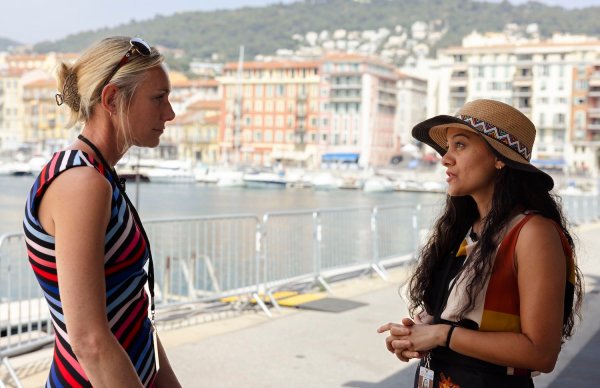
In this podcast, produced by RESI at ODI-Global, I speak with impact investors at the UN Ocean Conference in Nice on the opportunities and challenges associated with investing in the ocean in Small Island Developing States (SIDS)
Promoting Sustainable Ocean Economies: Guidance for Development Co-operation
I worked with the OECD Sustainable Ocean for All initiative to develop a guidance document on aid for SDG 14
How do increases in government revenues really impact the SDGs? The GRADE Model can tell us

Tax abuse, tax exemptions and external debt service all drain governments' revenue. The GRADE Model is an innovative tool that can be used to understand the negative impact these outflows have on SDG progress in individual countries.
Turning the tide: enhancing ocean equity for Small Island Developing States

Small Island Developing States (SIDS) depend heavily on the ocean for their livelihoods, economies and climate resilience. Yet they face stark and growing inequities in how ocean resources are accessed, governed and financed. A new briefing paper from ODI Global's Resilient and Sustainable Islands Initiative (RESI) calls for bold action to place equity at the heart of the international oceans agenda - and ensure SIDS can thrive as stewards of the sea.
Tackling the ‘cost of capital’ crisis in small vulnerable nations

A growing number of Small Island Developing States (SIDS) are experiencing debt distress due to high exposure to climate-related shocks. SIDS are having to borrow at high rates to recover from disasters, leaving them unable to invest in further development and climate resilience. Learn more.
Breaking the cycle of debt in Small Island Developing States

The climate crisis is exacerbating debt sustainability challenges in Small Island Developing States (SIDS). With projections of increasing loss and damage in SIDS due to both extreme weather and slow-onset events, these debt problems are likely to continue and intensify. This study explores why levels of debt are particularly high in (some) SIDS, the challenges that this presents, and the different practices and policies that they have adopted to pursue – and attain – debt sustainability.

