As rapid urbanization proceeds, how can we enhance subnational finance in responsible ways and contribute substantially to local and national development? How are cities around the world already meeting the financing challenge at local level, including through innovative new finance models? Are there risks? What role for the international development community to support urban finance?
Opinion: The pros and cons of ethical debt instruments

In May, the World Bank issued the world’s first bond linked explicitly to the U.N. SDGs. The initiative — which aims to capitalize on a rising number of investors interested in positive social and environmental impacts in addition to financial returns — has been heralded an innovation in investment products and can be added to a growing list of innovative debt instruments that are marketed as “ethical”. What are the pros and cons of innovative debt instruments?
Blog: Game, set and match: Over and out for the SDGs? Not so fast
We have raised the bar on our development aspirations. That the SDGs will cost trillions to achieve is obvious. Will we raise the bar on development finance?
Blog: The Addis Ababa Action Agenda: A step forward on financing for development?
The Addis Ababa Action Agenda (AAAA) lays out the steps the international community promises to take to fund the world’s new sustainable development agenda – to be agreed in New York in September. What does it promise?
Report: Financing for Development and Small Island Developing States: A Snapshot and Ways Forward

This paper provides a snapshot of development financing in small island developing States (SIDS). It reviews key data on domestic and international financial flows, such as development and climate aid, foreign direct investment, remittances, tax revenues and savings and also explores debt sustainability.
Blog: Can the data revolution transform how we finance development?
Which countries need more resources to finance the SDGs? What types of resources are needed most? Where does international finance, both public and private, currently flow? Where does it not? Answers to all of these require reliable and easy-to-understand data on all international financial flows.
Blog: Small islands need debt relief to pay for climate change

With the UN’s development goals up for renewal the question of financing is more important than ever
Blog: From MDGs to … SDGs
The world has drafted a spectacular new ‘to-do’ list of Sustainable Development Goals. Do the SDGs represent a chance for transformational change?
Blog: How well is the rich world supporting development?
The policies and actions of rich and powerful nations influence the developing world’s development prospects. How well are they supporting development?
Blog: Financing Post-2015: Lowdown on the UN Expert Committee’s Report
Does the UN expert committee's report offer a sensible strategy for financing the new international development vision? Will the report be the game-changer many civil society organizations want to see? And how far will it support human rights realization for all?
Blog: Financing Post-2015: A quick run-down of the expert committee’s report
UN experts have drawn up a ‘menu of options’ for financing sustainable development. What do they say?
Blog: The Caribbean’s silent debt crisis
Fresh approaches are needed to break the cycle of debt dependency
Report: Achieving Debt Sustainability and MDGs in SIDS: The Case of the Maldives
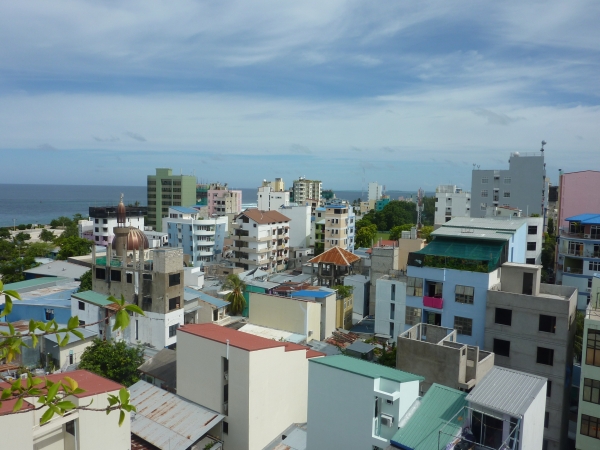
This paper explores the rapid increase in public debt in the Maldives over the last five years and assesses the possible development impact. It looks at the main drivers and possible policy solutions to the problem.
Report: Achieving Debt Sustainability and the Millennium Development Goals in Small Island Developing States

This discussion paper explores critically high levels of public debt and debt service across many small island developing states. It asks to what extent debt may be hampering progress towards poverty reduction and the MDGs and puts forward a series of policy measures to support SIDS reduce their public debt burdens.

